Honour of Annaly - Feudal Principality & Seignory Est. 1172




|

Feudal Kingdom - Teffia, Annaly, then Honour of Annaly LongfordThe Earl of Westmeath, through his ancient Barony of Delvin and the numerous grants received, is the feudal and constitutional successor to the Princes (or Chiefs) of the ancient Gaelic kingdom of Annaly (Longford). Specifically, he is the successor to:
The "Honour of Annaly" title signifies that the family inherited a great feudal lordship or proto-principality that absorbed the ancient Gaelic sovereignty of the O'Farrells, transforming it into a continuous, Crown-confirmed, Anglo-Norman-Irish dignity. Here is what that legal status means in historical terms:1. Successor to a Territorial PrincipalityA Principality is defined as a monarchical state or feudal territory ruled by a Prince ( Princeps). In the Irish and Gaelic context:
The grants to the Nugents, such as the one in 1597, conveyed the whole territorial seignory ( lordship) of Annaly/Longford, including:
The Crown effectively converted the Gaelic Principality into a Crown-confirmed Feudal Honour and Seignory vested hereditarily in the Nugent family. 2. The Meaning of "Feudal and Constitutional Successor"This specific phrase has two key components that explain the dignity:
3. The Dignity: The "Honour of Annaly"The term Honour (as in Honour of Annaly) is a specific medieval legal term that signifies this proto-princely dignity. An Honour was a great feudal lordship composed of multiple manors, liberties, and subordinate estates held directly from the Crown. Hybrid Dignity: Through these grants, the Barons Delvin were legally installed as the feudal successors to the Christian-Gaelic princely sovereignty of Annaly, giving them a unique hybrid status as feudal lords and princely captains of the ancient territory By holding the Honour of Annaly, the Earl of Westmeath and Baron Delvin family became the:
This title established the Nugents as the continuous legal and landed authority in Longford, replacing the privious Clans, The ancient princely lordships of Annaly and Delvin (Delbhna–Teffia) were originally ruled by various kings and clans: including Maine, son of Niall of the Nine Hostages, Conmac, son of Fergus Mac Roigh and the legendary Queen Maeve of Connaught, Southern Uí Néill in ancient history, Muintir Giollagain, and O’Fearghail (O’Farrell) dynasty, Princes of Anghaile, and the noble septs of O’Quinn (Ó Cuinn) of Rathcline, Mac Gilligan (Mac Giollagáin) of Muintir Gilligan, O’Mulfeeney (Ó Maolfhíneadha) of Corcard, O’Duignan (Ó Duibhgeannáin) of Ardagh, O’Skelly (Ó Scealláin) and O’Skully (Ó Scolaighe) of South Teffia, O’Reilly (Ó Raghallaigh) and O’Murray (Ó Muireadhaigh) on the eastern borders, Mac Donough (Mac Donnchadha) and O’Hanley (Ó hAinle) near Lough Ree, and the O’Fenelon (Ó Fionnaláin) and O’Finnallan chiefs of the ancient Delbhna or Delvin tribes of Western Westmeath—collectively forming the hereditary nobility of the old kingdom of Teffia, later known as the Principality of Annaly. Below, we can draw a clear, historically grounded picture of Teffia (Tethba), Annaly, and what later becomes County Longford as a layered political landscape rather than a single kingdom. What follows is a synthesis that stays faithful to the annals, genealogies, and territorial evidence you’ve provided. 1. Teffia (Tethba): The Foundational Middle KingdomTeffia (Old Irish: Tethba) is the parent territorial kingdom from which Annaly and later Longford emerge.
Key point: 2. Internal Kingdoms and Lordships Within TeffiaTeffia was not unitary. It functioned as a federal landscape of related but distinct kingdoms and peoples: A. Fir Tethba (Core Royal Kingdom)
B. Cenél Cairpri Gabhra (Cairpre Gabra)
C. Upper Conmaicne (Conmaicne Rein)
D. Fir Chul Tethba
E. Breaghmhaine (in Teffia)
3. Annaly (Anghaile): A Dynastic Kingdom Within TeffiaAnnaly emerges not as a replacement of Teffia, but as a dynastic super-kingdom within it.
Key insight: 4. Relationship to Mide (Meath) and the Southern Uí NéillTeffia and Annaly were:
This is crucial.
5. Transition to County LongfordWhen the Normans arrive:
County Longford thus inherits:
6. Bottom Line (Core Conclusions)
Here is what happens when the Barons of Delvin take control in Annaly / Teffia / later County Longford, and how that transition actually occurs in legal-historical terms. I’ll keep this tight, factual, and aligned with the annals and feudal reality rather than later nationalist simplifications. 1. The Situation Before Delvin: A Living Gaelic KingshipBefore the Barons of Delvin appear:
This remains true into the late 12th century. 2. Entry of the Barons of Delvin (de Nangle / Nugent)Who they are
How they enter AnnalyThe takeover is not a single conquest. It happens in stages:
Key point: 3. Legal Mechanism of Takeover: Feudal Translation, Not AbolitionThis is critical. What England does NOT do
What England DOES do
So Annaly becomes:
But the territorial continuity remains intact. 4. The Honour of Annaly: Why Delvin Is More Than a BaronBy the 13th century:
This is why Annaly remains special: 5. Gaelicization of the Nugents (Why This Lasts 850 Years)Rather than acting as foreign occupiers, the Delvin Nugents:
This explains:
6. What Happens to the Native Kings?They are not erased.
This is a property-based succession, not extinction. 7. Why This Matters Today (Legally & Historically)The Delvin takeover means:
8. Bottom Line (Clear Summary)
| |||||||||||||||||||
About Longford Feudal Prince House of Annaly Teffia Rarest of All Noble Grants in European History Statutory Declaration by Earl Westmeath Kingdoms of County Longford Pedigree of Longford Annaly What is the Honor of Annaly The Seigneur Irish Roots of George Mentz Chronology of Teffia Annaly Lords Paramount Ireland Market & Fair Chief of The Annaly One of a Kind Title Lord Governor of Annaly Prince of Annaly Tuath Principality Feudal Kingdom Irish Princes before English Dukes & Barons Fons Honorum Seats of the Kingdoms Clans of Longford Region History Chronology of Annaly Longford Oldest Gaelic Kingdom Hereditaments Captainship of Ireland Princes of Longford Holy Sites & Gods News Parliament 850 Years Leadership Titles of Annaly Irish Free State 1172-1916 Feudal Princes 1556 Habsburg Grant and Princely Title Rathline and Cashel Kingdom The Last Irish Kingdom Landesherrschaft King Edward VI - Grant of Annaly Granard Spritual Rights of Honour of Annaly Principality of Cairbre-Gabhra House of Annaly Teffia 1400 Years Old Count of the Palatine of Meath Irish Property Law Manors Castles and Church Lands A Barony Explained Moiety of Barony of Delvin Nugents of Annaly Ireland Spiritual & Temporal Islands of The Honour of Annaly Longford Blood Dynastic Burke's Debrett's Peerage Recognitions Water Rights Annaly Property Law Writs to Parliament Irish Nobility Law Moiety of Ardagh Dual Grant from King Philip of Spain Rights of Lords & Barons Princes of Annaly Pedigree Abbeys of Longford Styles and Dignities Ireland Feudal Titles Versus France & Germany Austria Sovereign Title Succession Mediatized Prince of Ireland Grants to Delvin Lord of St. Brigit's Longford Abbey Est. 1578 Feudal Barons Water & Fishing Rights Clan Brehon Tribal Law Comparison Ancient Castles and Ruins Abbey Lara Honorifics and Designations Kingdom of Meath Feudal Westmeath Seneschal of Meath Lord of the Pale Irish Gods The Feudal System Baron Delvin Kings of Hy Niall Colmanians Irish Kingdoms Order of St. Columba Chief Captain Kings Forces Commissioners of the Peace Tenures Abolition Act 1662 - Rights to Sit in Parliament Contact Law of Ireland List of Townlands of Longford Annaly English Pale Court Barons Lordships of Granard Irish Feudal Law Datuk Seri Baliwick of Ennerdale Moneylagen Lord Baron Longford Baron de Delvyn Longford Map Lord Baron of Delvin Baron of Temple-Michael Baron of Annaly Kingdom Annaly Lord Conmaicne Baron Annaly Order of Saint Patrick Baron Lerha Granard Baron AbbeyLara Baronies of Longford Princes of Conmhaícne Angaile or Muintir Angaile Baron Lisnanagh or Lissaghanedan Baron Moyashel Baron Rathline Baron Inchcleraun HOLY ISLAND Quaker Island Longoford CO Abbey of All Saints Kingdom of Uí Maine Baron Dungannon Baron Monilagan - Babington Lord Liserdawle Castle Baron Columbkille Kingdom of Breifne or Breny Baron Kilthorne Baron Granarde Count of Killasonna Baron Skryne Baron Cairbre-Gabhra AbbeyShrule Events Castle Site Map Disclaimer Irish Property Rights Indigeneous Clans Dictionary Maps Honorable Colonel Mentz Valuation of Principality & Barony of Annaly Longford Irish Noble Titles of Annaly Longford“The Princely House of Annaly–Teffia is a territorial and dynastic house of approximately 1,500 years’ antiquity, originating in the Gaelic kingship of Teffia and preserved through the continuous identity, property law, international law, and inheritance of its lands, irrespective of changes in political sovereignty.”
Feudal Baron of Longford Annaly - Baron Longford Delvin Lord Baron &
Freiherr of Longford Annaly Feudal Barony Principality Count Kingdom of Meath - Feudal Lord of the Fief
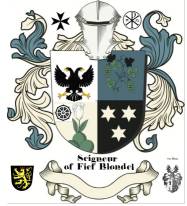
Blondel of the Nordic Channel Islands Guernsey Est. 1179 George Mentz
Bio -
George Mentz Noble Title -
George Mentz Ambassador - Order of the Genet
Knighthood Feudalherr - Fief Blondel von der Nordischen
Insel Guernsey Est. 1179 * New York Gazette ®
- Magazine of Wall Street - George
Mentz - George
Mentz - Aspen Commission - Ennerdale - Stoborough - ESG
Commission - Ethnic Lives Matter
- Chartered Financial Manager -
George Mentz
Economist -
George Mentz Ambassador -
George Mentz - George Mentz Celebrity -
George Mentz Speaker - George Mentz Audio Books - George Mentz Courses - George Mentz Celebrity Speaker Wealth
Management -
Counselor George Mentz Esq. - Seigneur Feif Blondel - Lord Baron
Longford Annaly Westmeath
www.BaronLongford.com * www.FiefBlondel.com |


Commissioner George Mentz - George
Mentz Law Professor - George
Mentz Economist
George Mentz News -
George Mentz Illuminati Historian -
George Mentz Net Worth
The Globe and Mail George Mentz
Get Certifications in Finance and Banking to Have Career Growth | AP News