Honour of Annaly - Feudal Principality & Seignory Est. 1172




|

⚜️ Writs and Summons of the Barons of Delvin(Lords of Westmeath, Annaly, and Longford) Throughout the medieval and early modern period, the Nugent family, hereditary Barons of Delvin and later Earls of Westmeath, held the feudal and parliamentary dignity associated with the Liberty of Meath and its dependencies in Annaly (Longford). Their writs of summons to Parliament trace the continuity of this noble house as one of the oldest parliamentary baronies in Ireland, dating from the 14th century onward. 1371 — John FitzJohn Nugent, Baron of DelvinIn the year 1371, John Fitz John Nugent, then Baron of Delvin, was formally summoned to Parliament by writ dated at Dublin, 13 February of that year, under the authority of King Edward III. At this date, the Barony of Delvin already encompassed the manors of Fore, Granard, and Abbeylara, with jurisdiction extending into what would later become County Longford (Annaly). 15th Century — Sir William Nugent, First Baron of DelvinFollowing the earlier feudal succession, Sir William Nugent—descended from Gilbert de Nugent, the Norman knight who accompanied Hugh de Lacy—was
summoned to Parliament as Baron of Delvin, and is commonly styled the First Baron Delvin in the later peerage records. By this era, the Lords of Delvin were recognized not merely as territorial magnates but as feudal peers with hereditary summons to Parliament, marking the Nugents among the ancient baronage of Ireland. 15th Century — Christopher Nugent, Sixth Baron of DelvinIn the later 15th century, Christopher Nugent, 6th Baron Delvin, held the family’s estates and sat in the Irish Parliament convened at Trim during the reign of
King Richard III (1483–1485). Elizabethan Era — Christopher Nugent, Eighth Baron of DelvinBy the reign of Queen Elizabeth I, the title was held by another Christopher Nugent, 8th Baron of Delvin, who sat in the Parliament of 1578–1579 (20 Elizabeth). The 8th Baron died on 17 August 1602, having preserved the family’s vast baronial and palatine lands through a turbulent age of rebellion and plantation. Stuart Era — Richard Nugent, Ninth Baron of DelvinRichard Nugent, 9th Baron of Delvin, succeeded his father in 1602 and sat in the Irish Parliaments of 1613 and 1615, during the reign of
King James I. Recognizing this enduring loyalty and hereditary distinction, King James I issued a
Privy Seal at Westminster, dated 22 November 1621, creating Richard Nugent Earl of Westmeath, with remainder to the heirs male of his body. Historical Context and Parliamentary LegacyFrom John FitzJohn Nugent (1371) to Richard, 9th Baron and 1st Earl of Westmeath (1621), the Nugents maintained an unbroken presence in the Irish peerage and Parliament for nearly 250 years. Their titles—Baron of Delvin, Lord of Annaly, and Earl of Westmeath—collectively represented:
These writs and patents confirm that the Nugent line held continuous recognition from the English Crown as feudal and parliamentary lords of one of Ireland’s most historic regions—Teffia and Annaly, the heartlands of ancient Longford.
⚜️ The Chief Lordship of Annaly: A Thousand Years of Princely ContinuityI. Origins of the Princely AuthorityFrom the early medieval era, the lands later known as Annaly (Anghaile) formed part of the ancient Kingdom of Teffia, itself one of the five royal divisions of Meath (Mide) — the Middle Kingdom of Ireland and seat of the High Kings at Tara. By the ninth century, the O’Farrell (Uí Fhearghail) dynasty had risen to prominence in Annaly, ruling as
Rí Anghaile, or “King of the Annaly.” II. The Feudal TransformationIn the sixteenth century, as the English Crown extended its legal authority into central
Ireland, the O’Farrell kingdom of Annaly was absorbed into the Crown lands. This placed the Nugent barony squarely within the lineage of the ancient princes:
III. A Millennium of SupremacyFrom the ninth century through the seventeenth, the Chief Lord of Annaly—whether of the northern, southern, or united dominion—remained
entitled to princely status.
Through this continuum, the chiefship of Annaly retained its dual character — a native principality transformed into a palatine honour. IV. The Modern InheritanceWhen the British Crown later surrendered its claim to feudal dominion in Ireland, the
constitutional bond of tenure was dissolved. ✅ Statement of Historical Standing
|
About Longford Feudal Prince House of Annaly Teffia Rarest of All Noble Grants in European History Statutory Declaration by Earl Westmeath Kingdoms of County Longford Pedigree of Longford Annaly What is the Honor of Annaly The Seigneur Irish Roots of George Mentz Chronology of Teffia Annaly Lords Paramount Ireland Market & Fair Chief of The Annaly One of a Kind Title Lord Governor of Annaly Prince of Annaly Tuath Principality Feudal Kingdom Irish Princes before English Dukes & Barons Fons Honorum Seats of the Kingdoms Clans of Longford Region History Chronology of Annaly Longford Oldest Gaelic Kingdom Hereditaments Captainship of Ireland Princes of Longford Holy Sites & Gods News Parliament 850 Years Leadership Titles of Annaly Irish Free State 1172-1916 Feudal Princes 1556 Habsburg Grant and Princely Title Rathline and Cashel Kingdom The Last Irish Kingdom Landesherrschaft King Edward VI - Grant of Annaly Granard Spritual Rights of Honour of Annaly Principality of Cairbre-Gabhra House of Annaly Teffia 1400 Years Old Count of the Palatine of Meath Irish Property Law Manors Castles and Church Lands A Barony Explained Moiety of Barony of Delvin Nugents of Annaly Ireland Spiritual & Temporal Islands of The Honour of Annaly Longford Blood Dynastic Burke's Debrett's Peerage Recognitions Water Rights Annaly Property Law Writs to Parliament Irish Nobility Law Moiety of Ardagh Dual Grant from King Philip of Spain Rights of Lords & Barons Princes of Annaly Pedigree Abbeys of Longford Styles and Dignities Ireland Feudal Titles Versus France & Germany Austria Sovereign Title Succession Mediatized Prince of Ireland Grants to Delvin Lord of St. Brigit's Longford Abbey Est. 1578 Feudal Barons Water & Fishing Rights Clan Brehon Tribal Law Comparison Ancient Castles and Ruins Abbey Lara Honorifics and Designations Kingdom of Meath Feudal Westmeath Seneschal of Meath Lord of the Pale Irish Gods The Feudal System Baron Delvin Kings of Hy Niall Colmanians Irish Kingdoms Order of St. Columba Chief Captain Kings Forces Commissioners of the Peace Tenures Abolition Act 1662 - Rights to Sit in Parliament Contact Law of Ireland List of Townlands of Longford Annaly English Pale Court Barons Lordships of Granard Irish Feudal Law Datuk Seri Baliwick of Ennerdale Moneylagen Lord Baron Longford Baron de Delvyn Longford Map Lord Baron of Delvin Baron of Temple-Michael Baron of Annaly Kingdom Annaly Lord Conmaicne Baron Annaly Order of Saint Patrick Baron Lerha Granard Baron AbbeyLara Baronies of Longford Princes of Conmhaícne Angaile or Muintir Angaile Baron Lisnanagh or Lissaghanedan Baron Moyashel Baron Rathline Baron Inchcleraun HOLY ISLAND Quaker Island Longoford CO Abbey of All Saints Kingdom of Uí Maine Baron Dungannon Baron Monilagan - Babington Lord Liserdawle Castle Baron Columbkille Kingdom of Breifne or Breny Baron Kilthorne Baron Granarde Count of Killasonna Baron Skryne Baron Cairbre-Gabhra AbbeyShrule Events Castle Site Map Disclaimer Irish Property Rights Indigeneous Clans Dictionary Maps Honorable Colonel Mentz Valuation of Principality & Barony of Annaly Longford Irish Noble Titles of Annaly Longford“The Princely House of Annaly–Teffia is a territorial and dynastic house of approximately 1,500 years’ antiquity, originating in the Gaelic kingship of Teffia and preserved through the continuous identity, property law, international law, and inheritance of its lands, irrespective of changes in political sovereignty.”
Feudal Baron of Longford Annaly - Baron Longford Delvin Lord Baron &
Freiherr of Longford Annaly Feudal Barony Principality Count Kingdom of Meath - Feudal Lord of the Fief
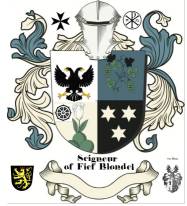
Blondel of the Nordic Channel Islands Guernsey Est. 1179 George Mentz
Bio -
George Mentz Noble Title -
George Mentz Ambassador - Order of the Genet
Knighthood Feudalherr - Fief Blondel von der Nordischen
Insel Guernsey Est. 1179 * New York Gazette ®
- Magazine of Wall Street - George
Mentz - George
Mentz - Aspen Commission - Ennerdale - Stoborough - ESG
Commission - Ethnic Lives Matter
- Chartered Financial Manager -
George Mentz
Economist -
George Mentz Ambassador -
George Mentz - George Mentz Celebrity -
George Mentz Speaker - George Mentz Audio Books - George Mentz Courses - George Mentz Celebrity Speaker Wealth
Management -
Counselor George Mentz Esq. - Seigneur Feif Blondel - Lord Baron
Longford Annaly Westmeath
www.BaronLongford.com * www.FiefBlondel.com |


Commissioner George Mentz - George
Mentz Law Professor - George
Mentz Economist
George Mentz News -
George Mentz Illuminati Historian -
George Mentz Net Worth
The Globe and Mail George Mentz
Get Certifications in Finance and Banking to Have Career Growth | AP News